Presidential Budgets and the Future of Disability Assistance
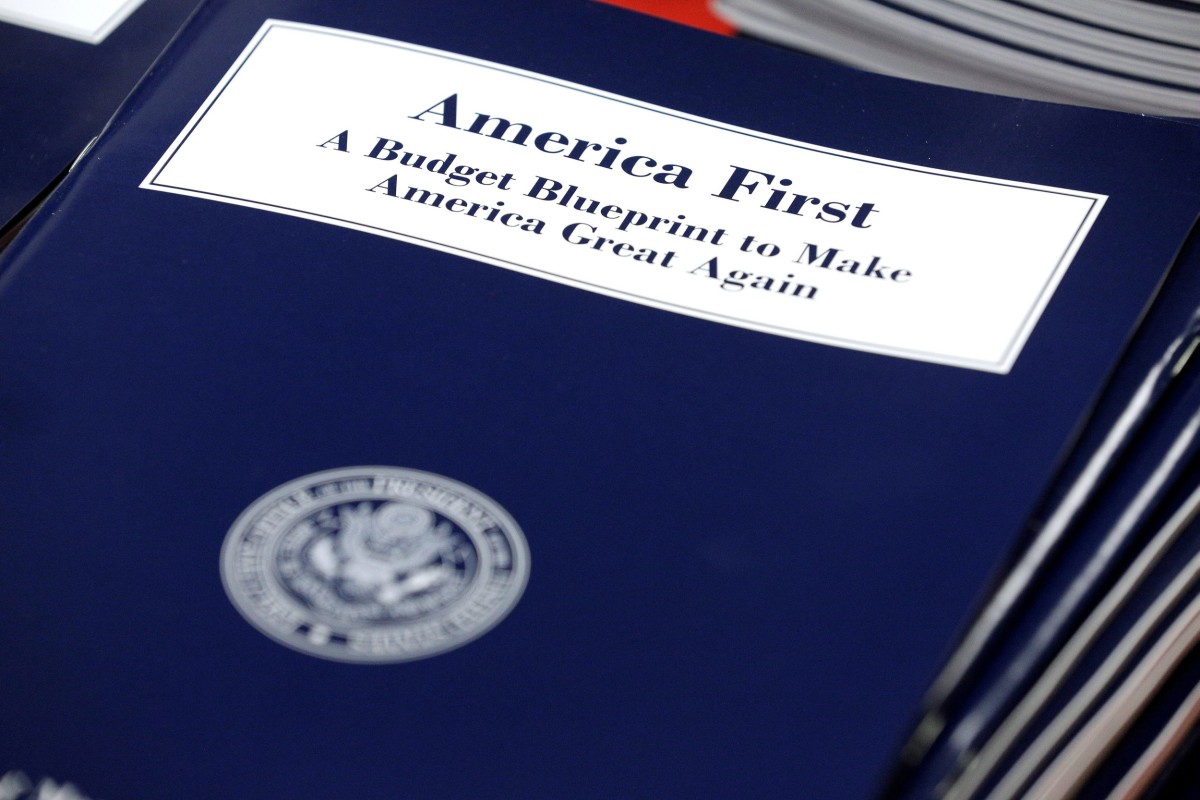 At the end of May 2017, the White House released its proposed budget for the federal government. While this budget is not likely to be implemented because Congress writes the final budget regardless what the White House wants, the White House proposed budget has historically been seen as highlighting what programs and policies President Donald Trump will prioritize while in office. The current proposal has come under fire from many sources from public bureaucracies to advocacy organizations, but FACT would like to share our concerns about how the presidential draft of the budget affects the developmentally disabled populations we serve – primarily through the proposed cuts to Social Security assistance and Medicaid (Medi-Cal in California).
One of the most notable bullet points to the presidential budget is the massive changes to Medicaid. Created by the Social Security Amendments of 1965, Medicaid serves as one of the largest government assistance programs by providing healthcare to eligible low-income adults, children, pregnant women, elderly adults and people with disabilities. Under the 2010 Affordable Care Act, eligibility for Medicaid was expanded to cover more people and able to receive more federal funding in participating states (although many states chose to not participate in this expansion, leading to mixed results). The current presidential administration proposes to fundamentally change the way Medicaid is funded from uncapped matching grants to participating states to making states chose to fund their Medicaid programs through either receiving a block grant or a set amount for each Medicaid beneficiary (aka a “per capita cap”). This would effectively cut around $610 billion from Medicaid over the next ten years outside of cutting $800 billion from Medicaid via Republican-proposed changes to the Affordable Care Act. Those cuts could very likely affect the availability of services for our population from health care to home and community-based services. Obama-era Home and Community-Based Settings Rules have been already pushed back so the federal proposal to cut money from more of these services could have the potential to roll back wider inclusion in society.
Another huge area of concern about this budget is in the area of the proposed cuts to Social Security programs between 2018 and 2027, namely $9 billion from Supplemental Security Income (SSI) and $64 billion from Social Security Disability Insurance (SSDI). SSI and SSDI are government-assistance programs that provide cash assistance to the disabled based on need and work history. There are significant differences between the two, but the main difference is that SSI is given based on financial need and SSDI is insurance given on work history. The latter faces a particularly large amount of misunderstanding, as White House budget director Mick Mulvaney demonstrated by saying that disability insurance is not part of the Social Security’s general image and thus financially wasteful. Cuts to both programs have been criticized for not only going against promises President Donald Trump made during his campaign to not touch them but also putting disabled people of being pushed further into poverty (as SSI recipients in particular already tend to fall below the official federal poverty line). As many in our FACT family receive these benefits, this is a particularly devastating proposal with huge consequences.
It is important for us at FACT to not take this budget as a certainty. As mentioned at the beginning of this piece, the White House’s proposed budget is not the official federal budget – it’s completely theoretical. But these proposals do serve as a blueprint for what the President thinks is worth spending federal dollars on and his proposed cuts to Medicaid, SSI, and SSDI puts our population at great risk for not receiving the assistance they need. FACT encourages you to call your representatives to voice your concern about the presidential budget and to not let Congress use it as a guide to determining the final federal budget. You can find your representatives and senators in Congress here, take down their contact information, and take the time to call them to educate them on how the proposed cuts to SSI, SSDI, and Medicaid will hurt millions of disabled people in America. FACT especially encourages you to contact your representatives if they are part of the Republican party.
You can read prominent statements on the federal budget from the following organizations here:
Indivisible Guide on Presidential Budget
California Budget and Policy Center Statement
Autism Society of America Statement
Autistic Self-Advocacy Network Statement
California State Council on Developmental Disabilities Statement